

In Vietnam, the New Year is celebrated twice. While January 1st marks a simple change on the calendar, Lunar New Year, locally known as Tet, marks a deeper transition in everyday life. It is the time when families reunite, the past year is gently closed, and a new beginning is welcomed with intention, gratitude, and hope.
What sets Vietnamese Tet apart is its deep focus on family, ancestral connection, and spirituality. More than a festive celebration, Tet is a reflective moment. People honor their ancestors, seek blessings, and welcome the year ahead with wishes for peace, health, and prosperity.
Because Tet is believed to set the tone for the year to come, even everyday words and actions during its first days are treated with care.
If this is your first Tet in Vietnam, there is no pressure to get everything right. These gentle cultural tips are simply here to help you feel more comfortable and respectful, like a local friend quietly sharing what matters most during the season.
Table of Contents
Gentle Things Locals Often Avoid And What They Do Instead
Rather than strict rules, these are small cultural habits many Vietnamese people naturally observe during Tet. Some things are quietly avoided, while others are intentionally chosen, not out of superstition, but as a way to begin the year with ease and positive intentions. These small, thoughtful choices reflect how Tet is experienced in everyday life.
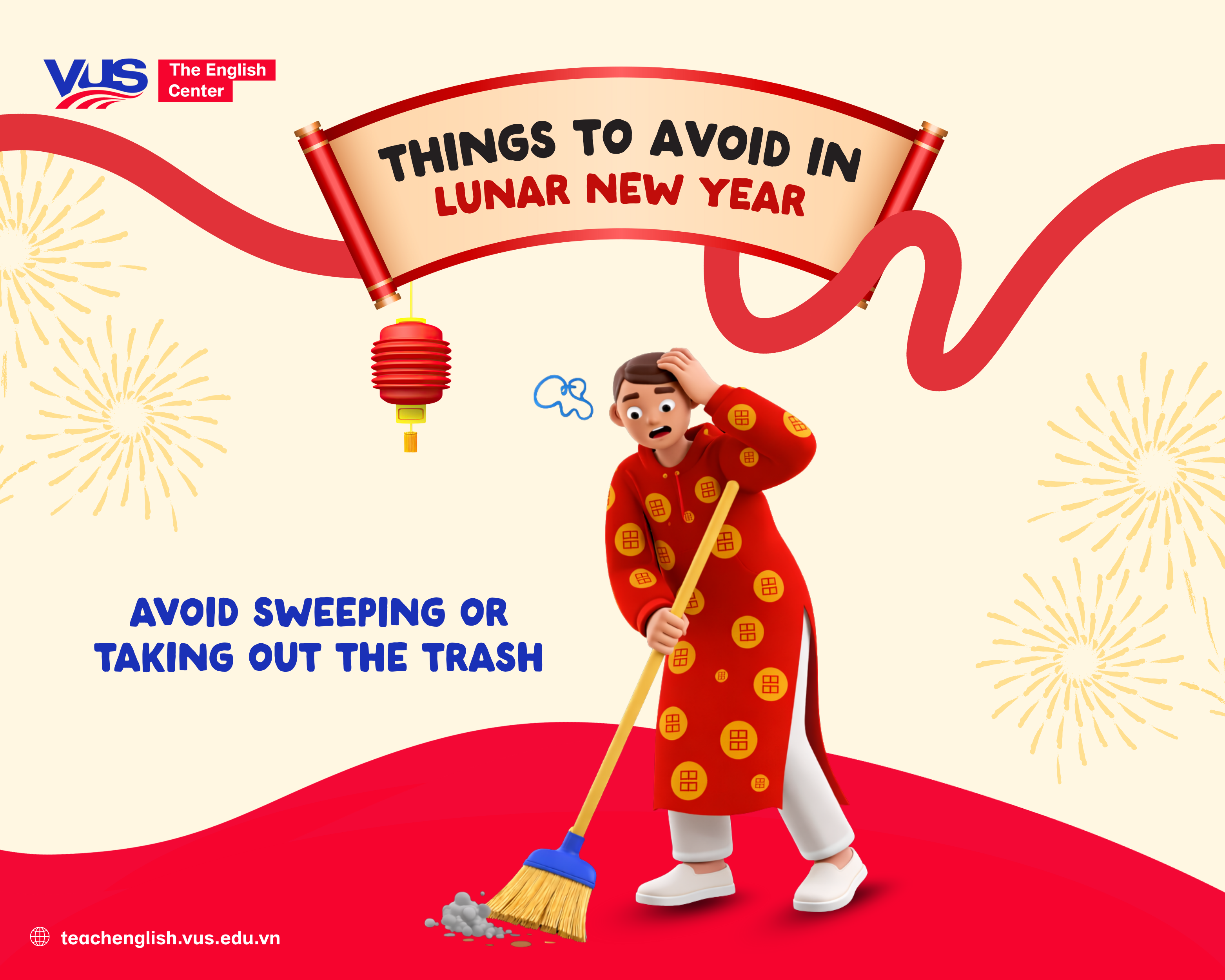
Avoid sweeping the floor or taking out trash on the first day of Tet
In traditional Vietnamese belief, sweeping the floor or taking out the trash on the first day of Tet is often avoided, as it is symbolically linked to “sweeping away” good fortune and luck from the home.
✅ What locals usually do instead:
Most families complete their cleaning before Tet begins. On the first day, trash is often gathered neatly in one corner and left untouched until the day passes, reflecting a wish to keep good fortune close and allow the year to begin with a sense of abundance and calm.
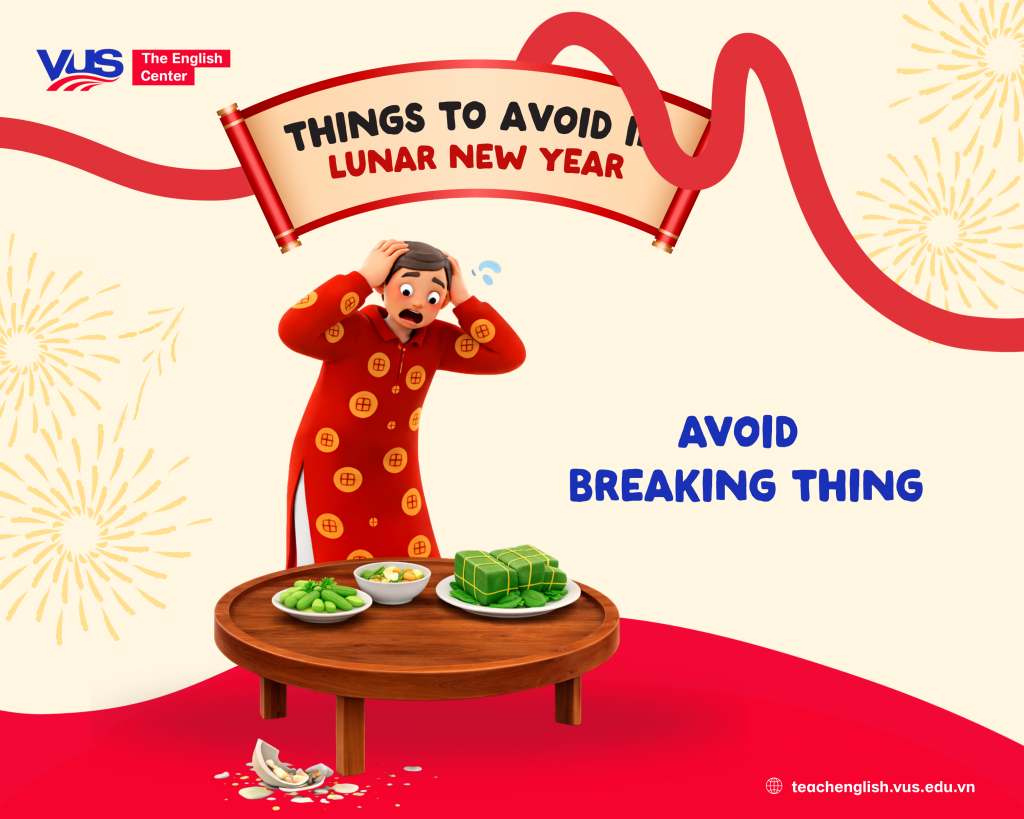
Avoid breaking things during the first days of Tet
Breaking household items is something people generally try to avoid in everyday life, but during Tet, this awareness becomes even stronger.
✅ What locals usually do instead:
Fragile items are often placed more carefully, especially in homes with children or pets. The household naturally moves at a slower pace, and if something does accidentally break, it is usually dealt with quietly so the festive mood can continue without disruption.
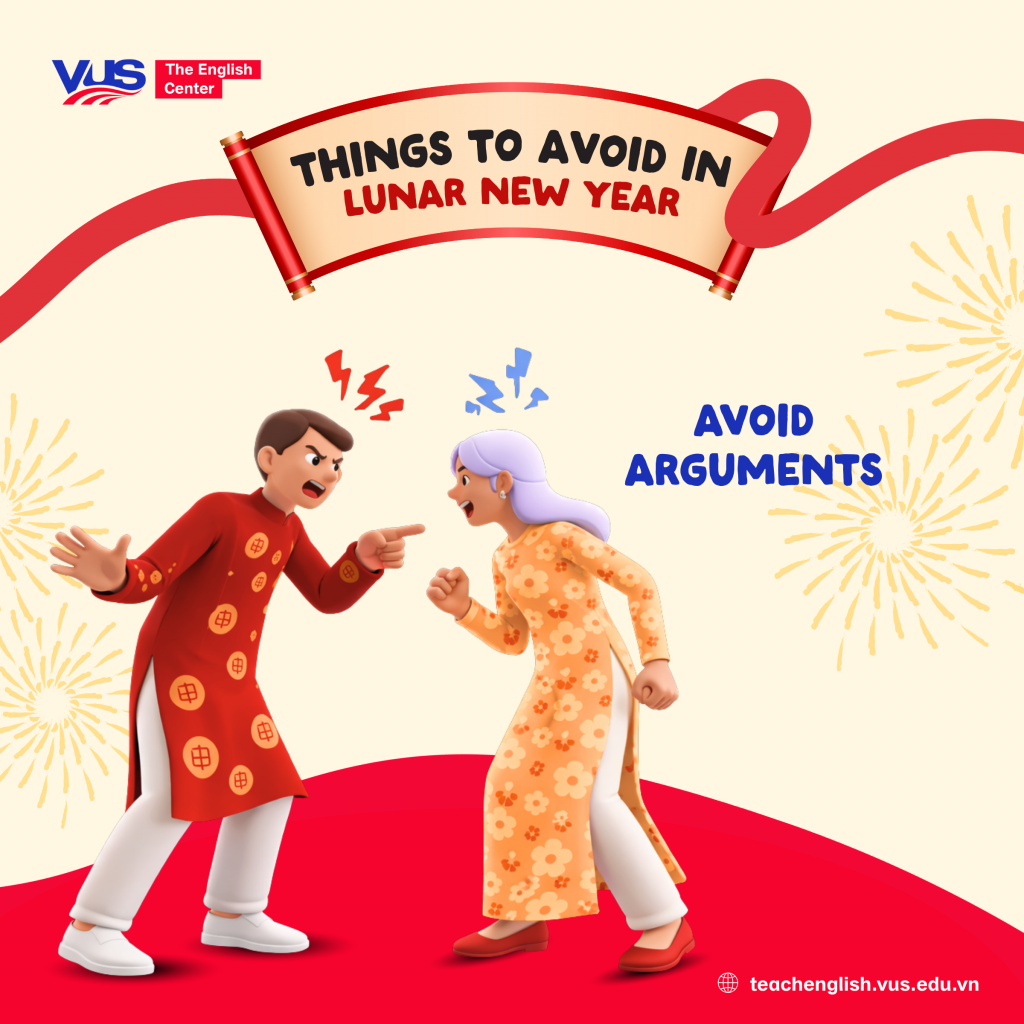
Avoid arguments on the first day of the New Year
The first day of Tet is seen as a symbolic starting point for the year ahead. Arguments, raised voices, or tense conversations are usually avoided, as they are believed to bring unnecessary negativity into the months that follow.
✅ What locals usually do instead:
Conversations are kept light and easy, with an emphasis on maintaining harmony. Rather than correcting others or continuing disagreements, people often smile, let small things pass, and focus on exchanging warm New Year wishes.

Avoid Wearing Black Or White Outfits
Black and white outfits are often avoided during Tet, as these colors are traditionally associated with mourning in Vietnamese culture. While there is no strict dress code, they are generally seen as less fitting for a celebration that welcomes new beginnings.
✅ What locals usually do instead:
Many people choose Tet outfits based on colors they believe bring good luck, such as those linked to their age or elemental sign, while others simply go for bright, cheerful shades. Yellow, red, green, or other fresh tones are commonly seen, as they are associated with warmth, energy, and positive beginnings when visiting family and friends.
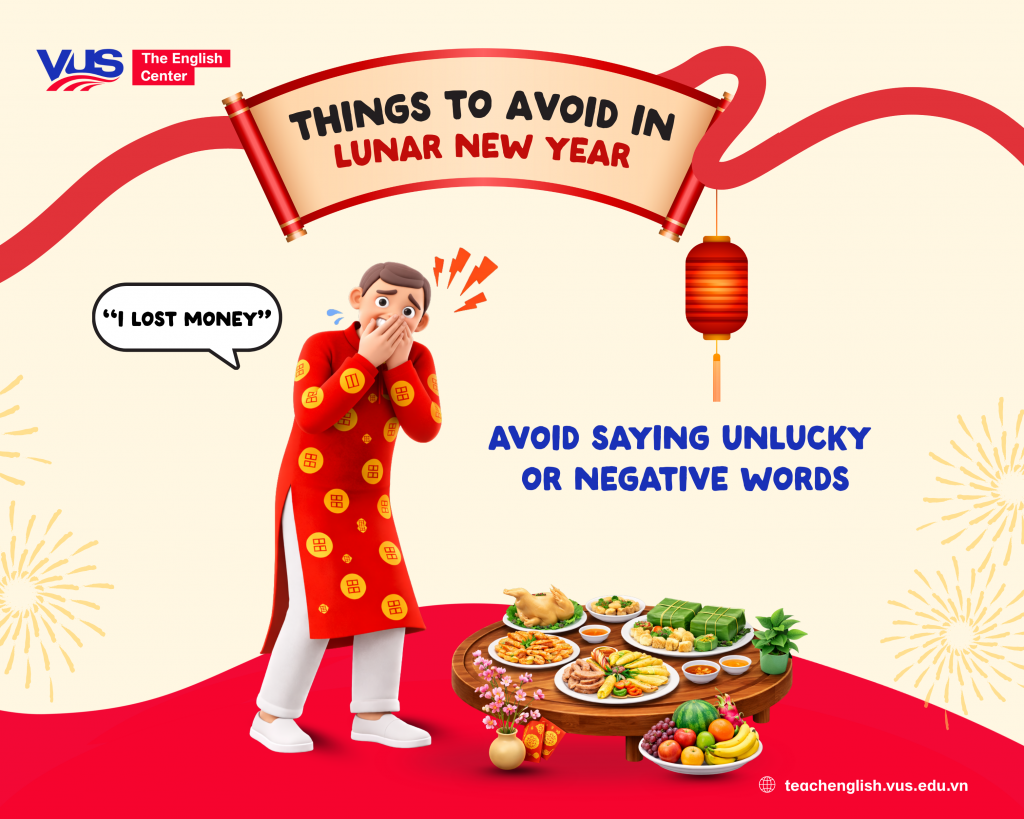
Avoid Saying Unlucky Or Overly Negative Words
Words are believed to carry extra weight at the start of the year. Topics related to illness, loss, failure, or bad luck are often avoided, as they are thought to set an inauspicious tone for what lies ahead.
✅ What locals usually do instead:
Instead of dwelling on problems, conversations shift toward hopeful plans and goals. It is common to hear talk about learning, self-improvement, or career growth, with phrases like “I want to improve my skills this year” or “I hope this year brings progress at work.” The focus is simply on starting the year with forward-looking words.
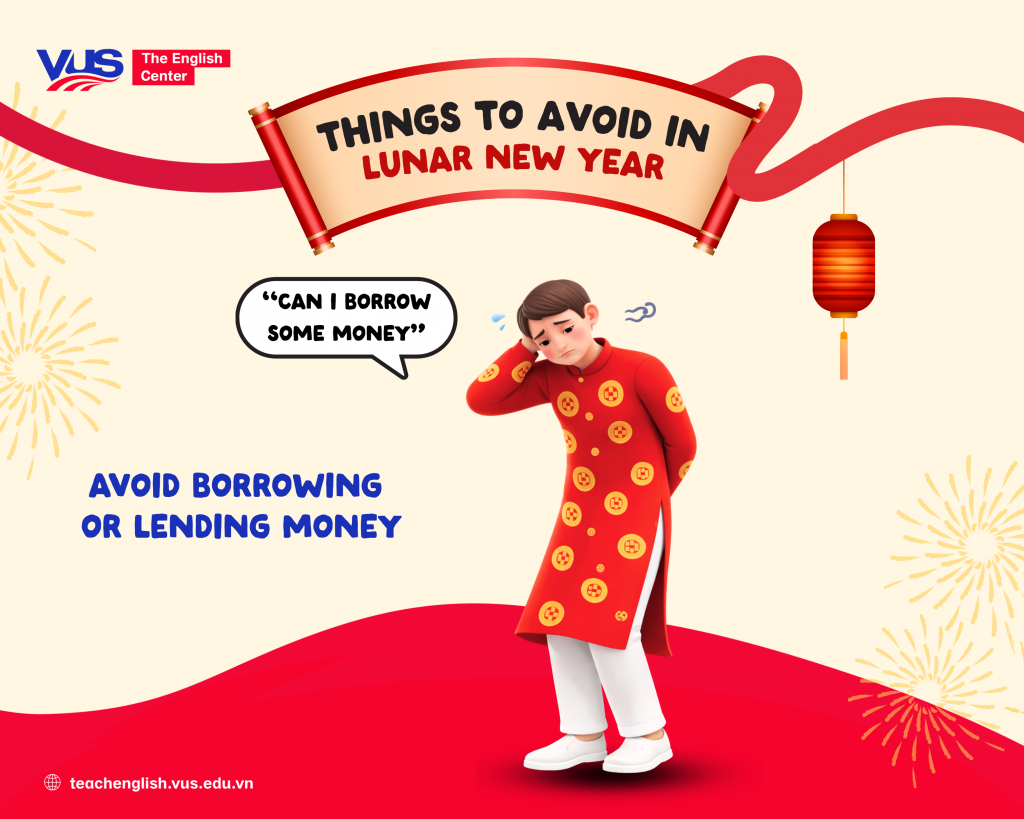
Avoid Borrowing Or Lending Money During Tet
Borrowing or lending money during Tet is often avoided, as beginning the year with financial pressure or unresolved debts is generally seen as inauspicious.
✅ What locals usually do instead:
Many people try to settle payments and financial matters before Tet. During the holiday, money is mentioned only in a light and positive way through li xi (lucky money), the tradition of giving lucky money as a voluntary and goodwill gesture, along with cheerful wishes for prosperity rather than discussions about debts or loans.
During Tet, these customs are best understood as cultural gestures rather than strict rules. Locals do not expect visitors to follow every tradition, and simple awareness is often met with warmth and genuine hospitality.
How to Enjoy Tet in Vietnam
Experiencing Tet in Vietnam is less about remembering what to avoid and more about understanding the meaning behind small everyday choices. Seen through this lens, Tet becomes a chance to slow down, and appreciate the values that shape how people welcome a new year.
At VUS, we believe cultural understanding grows through everyday experiences and shared moments. During Tet, this spirit is felt in simple ways, from warm greetings to festive spaces that help newcomers feel included. Whether it is your first Tet in Vietnam or one of many, these small insights are simply here to help you feel more connected to the local rhythm of life.
We wish you a warm, meaningful Tet filled with positive beginnings and a truly memorable Tet experience in Vietnam.
With nearly three decades of leadership in English education in Vietnam, VUS has established a trusted reputation through a nationwide network of 68 campuses and a community of over 2,700 internationally qualified teaching staff.
VUS continues to strengthen its position as an industry leader, earning a double win at the Vietnam Technology Excellence Awards 2025 and being recognized as an Inspirational Brand at APEA for two consecutive years, along with numerous other national and international accolades.
At VUS, expatriate teachers are offered more than a teaching position. They are given the opportunity to develop professionally while experiencing the richness of life and culture in Vietnam. With strong institutional support and internationally aligned standards, the journey is one of growth, connection, and long-term fulfillment.
What VUS offers expatriate teachers:
- Competitive salary: Compensation that reflects your skills and contributions.
- Professional development: Continuous training programs designed to support teaching excellence.
- Cultural immersion: Opportunities to engage with daily life in Vietnam and build meaningful local connections.
- International-standard environment: Modern facilities, up-to-date teaching resources, and proven methodologies.
- Comprehensive integration support: Guidance with administrative procedures and a dedicated Buddy Program, especially for teachers placed at provincial campuses.
- Free Vietnamese classes: Comprehensive Vietnamese language courses for all VUS expatriate teachers, including those in probation, delivered by highly qualified Vietnamese teachers and tailored to everyday communication needs.
Begin your teaching journey with VUS and discover a place where professional growth and cultural experience go hand in hand.