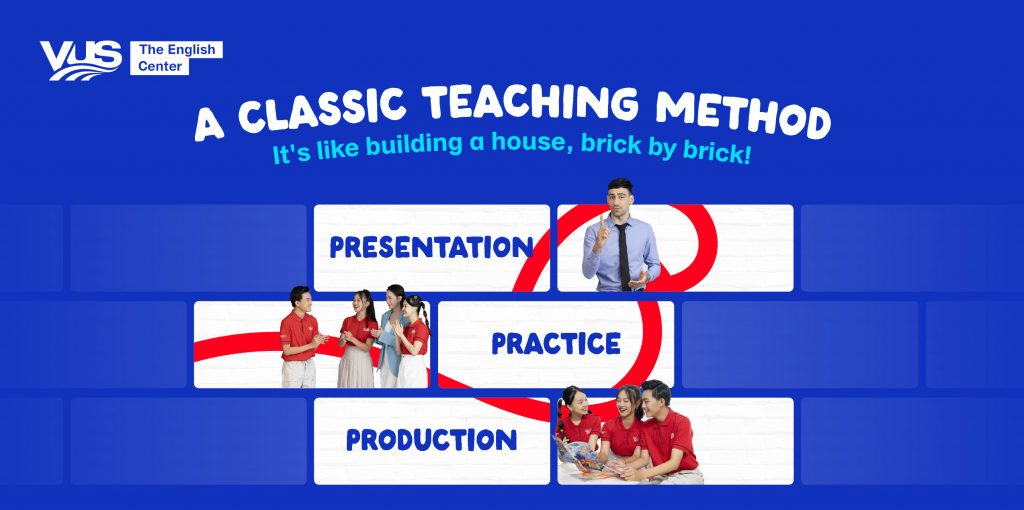
Imagine you’re teaching a new grammar structure or set of vocabulary. Some students may have heard it before, but most are unsure how to use it confidently. If you dive straight into a task, you might get blank stares or hesitant guesses. It’s like handing your students a pile of bricks and asking them to build a house—without showing them how to lay the first one.
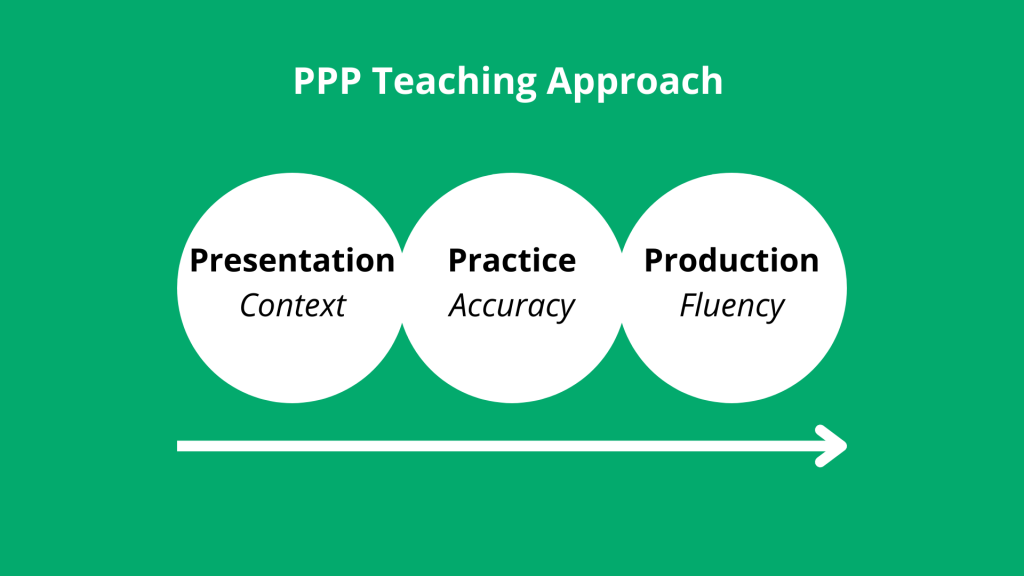
That’s where PPP comes in. It’s a classic and structured method that walks students step-by-step through the learning process—starting with a model (presentation), followed by guided building (practice), and finally letting them design their own structure (production).
Table of Contents
Laying the foundation with PPP (Presentation – Practice – Production)
Think of PPP as constructing a house. The presentation is the blueprint. The practice stage is when students lay down bricks with your help. And the production? That’s when they add their own flair and build something on their own.
(Source: Internet)
This technique is ideal for beginner and lower-intermediate learners who need clear guidance and scaffolding before using the language freely.
Time to start building!
Step 1: Presentation (The Blueprint)
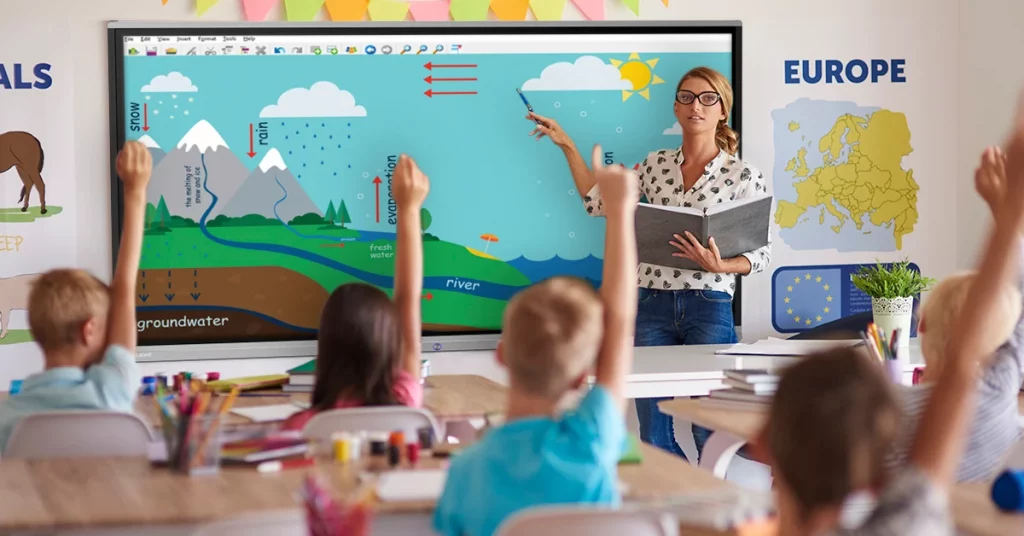
Begin by clearly presenting the target language. This stage should:
- Include a real-life context (e.g., a story, image, or dialogue).
- Highlight the grammar or vocabulary item naturally within that context.
- Break down the form, meaning, and pronunciation.
(Source: Internet)
🌟 Pro Tip: Use visuals, gestures, and concept-checking questions (CCQs) to make sure students really get it.
Step 2: Practice (Guided Bricklaying)
(Source: Internet)
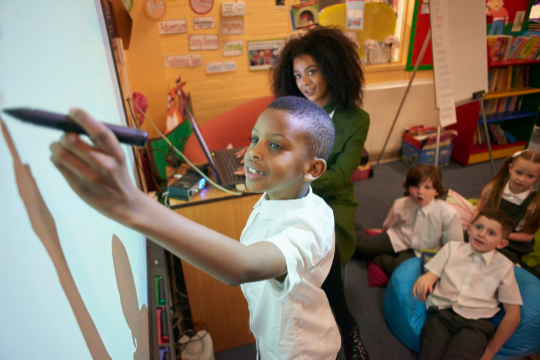
Now students get to use the language in controlled activities. These should:
- Reinforce correct structure and usage.
- Be fun and interactive (e.g., gap fills, matching, drills, sentence rearrangement).
- Include pair or group work to keep students engaged and provide a comfortable learning environment.
🌟 Pro Tip: Correct errors gently and consistently to help students build accuracy.
Step 3: Production (Let Them Build!)
In this final stage, students apply what they’ve learned in more creative or personalized ways. This could include:
- Role-plays
- Storytelling
- Writing dialogues
- Debates or discussions

(Source: Internet)
🌟 Pro Tip: Don’t interrupt with corrections—focus on fluency, then offer feedback afterward.
The ups, and of course, the downs
PPP is a tried-and-true method, but like all approaches, it comes with strengths and limitations. Think of it as choosing between a detailed architectural plan and a freestyle design.
(Source: Internet)
- Highly structured and predictable—great for lower-level learners.
- Builds confidence step by step.
- Allows students to first internalize and then personalize the language.
- Can feel too rigid or “teacher-led” if overused.
- May not challenge advanced learners enough.
- Risk of too much focus on form, not enough on function.
Brick by brick… Activity ideas for each stage
1. PRESENTATION:
Give students clear input in context so they can see how the language works.
(Source: Internet)
- Short video clip or audio dialogue
Show or play a natural conversation where the target language appears, then highlight key phrases or structures. - Picture-based storytelling
Use a series of images to tell a story and introduce the grammar or vocab in context (great for narrative tenses or sequence words). - TPR (Total Physical Response) for verbs
Introduce action verbs by saying them aloud and having students act them out (e.g., jump, run, open), making meaning instantly clear.
2. PRACTICE:
Now that students have seen the language, help them use it with accuracy and support.
- Gap-fill exercises
Students complete sentences by inserting the correct form of the target language (e.g., “She ___ to school every day” → “goes”). - Sentence unscramble races
In teams, students race to rearrange jumbled words into grammatically correct sentences using the target structure. - Find someone who… speaking activities
Students move around asking classmates questions (e.g., “Find someone who has been to another country”) to practice grammar in real-life-like situations.
(Source: Internet)
3. PRODUCTION:
Students apply what they’ve learned in open-ended, personalized tasks.
(Source: Internet)
- Group skit with target grammar
In small groups, students write and perform a short skit using the new language—fun, creative, and a chance to show understanding. - “A Day in the Life” journal entry
Individually, students write a short diary-style text using the new grammar point (e.g., past simple, future plans, modals). - Student-led interviews or surveys
Learners prepare and conduct interviews with classmates using questions that target the lesson language, then report their findings.
And there you have it!
The PPP method gives your students the tools they need to build solid language structures—step by step, brick by brick. With a strong foundation, guided practice, and the freedom to explore, students can go from passive listeners to confident speakers. It’s not just about accuracy or fluency—it’s about empowering learners to use English with purpose and pride.
With nearly 30 years of experience in English education in Vietnam, VUS has grown its network to 73 campuses and more than 2,700 qualified teaching staff nationwide.
VUS is proud to be recognized with two awards at the Vietnam Technology Excellence Awards 2025, honored as an Inspirational Brand at APEA for two consecutive years, and acknowledged through various national and international awards.
When joining VUS, teachers and teaching assistants enjoy a wide range of practical benefits that support long-term growth and commitment:
- Stable income: Steady and fair rewards for your efforts, allowing you to focus on teaching and growth.
- Ongoing professional training: Structured onboarding with entrance workshops and continuous support via sharing sessions and the Training Hub, led by Teaching Quality Managers holding master’s or doctoral degrees and extensive teaching experience.
- Modern, international-standard facilities: Diverse teaching tools, updated materials, and well equipped classrooms for a professional working environment.
- Engaging internal events: Activities that create opportunities to relax, connect with colleagues, and recharge your energy.
- Supportive colleagues: Work with a team that is always ready to share, support, and grow together.
- Clear career advancement: A transparent career path with many opportunities to challenge yourself and grow into higher roles.
VUS offers a professional workplace where you can strengthen your skills, grow your career, and inspire young learners across Vietnam:
– Expatriate Teachers: Experience teaching in Vietnam with international standards, integration support, and career development opportunities.
– Vietnamese Teachers: Continuously sharpen your expertise while helping students reach out to the world.
– Teaching Assistants: The first step to explore the teaching profession and gain valuable real-life classroom experience.
Start your teaching journey with VUS today!