

Moving abroad is exciting, but that first month in Vietnam can feel like a whirlwind. Vietnam has become one of Asia’s most popular destinations for ESL teachers, thanks to its welcoming culture, competitive salaries, and vibrant lifestyle.
Whether you’re coming to Ho Chi Minh City, Hanoi, Da Nang, or a smaller town, adjusting to your new home will involve a mix of adventure, discovery, and the occasional culture shock.
This guide covers the practical side of your first month:
- Setting a budget
- Finding a place to live
- Getting connected digitally
- Figuring out transportation
Beyond the basics, it also touches on cultural adaptation – how to make friends, get involved, and start feeling at home both in and out of the classroom.
If you’re preparing for your teaching journey, this crash course will give you the tools to hit the ground running, so you can spend less time stressing about logistics and more time enjoying your new life in Vietnam.
Table of Contents
How much does it cost to live in Vietnam?
Before diving in, it helps to know what kind of budget to expect. Living in Vietnam can be as affordable – or as costly – as your lifestyle choices.
| Expense | Range | Pro Tips |
|---|---|---|
|
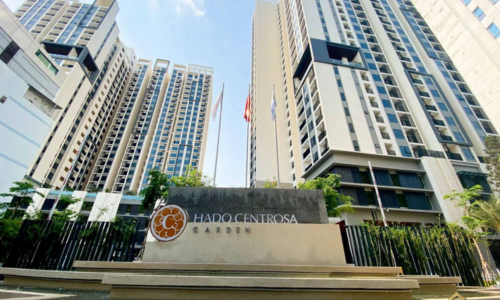
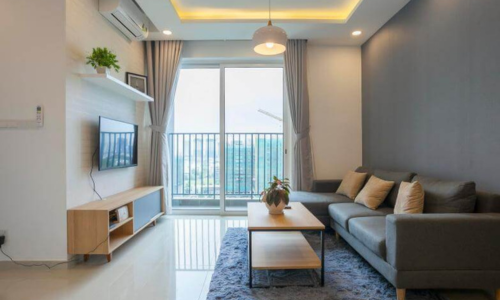
Rent |
Shared apartments: $250–$400 |
Find some housemates to split a spacious multi-roomed apartment with modern amenities in one of the taller serviced apartments. They often have a pool and a gym, saving you membership costs. |
|
Private serviced apartments: $500–$800+ |
| Expense | Range | Pro Tips |
|---|---|---|
|
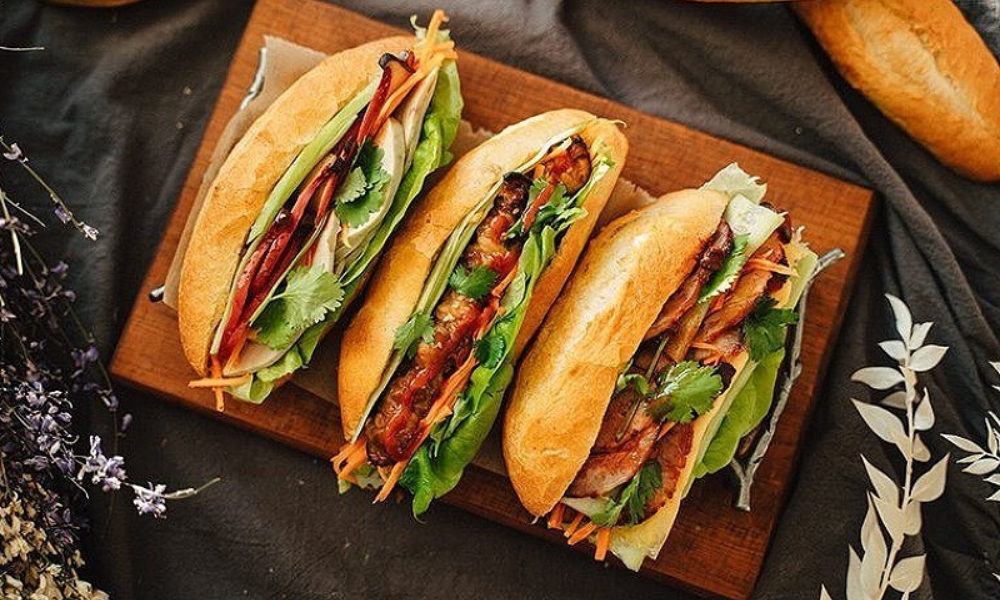
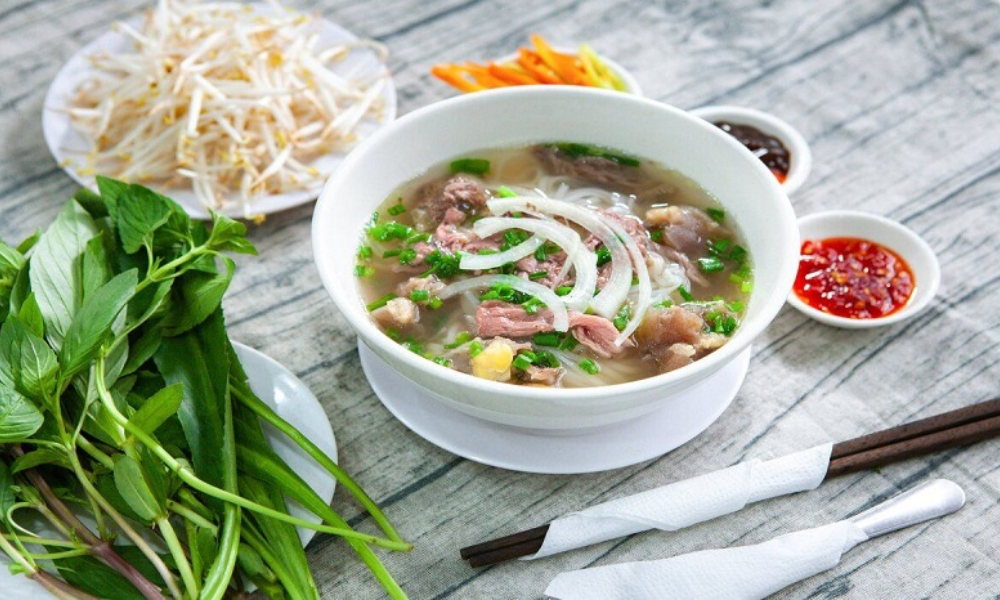
Food |
Bowl of pho: $2 |
There are many FB groups tailored to different foodies: vegan/veggie, street food, etc.; follow them to get some good recommendations. |
|
Banh mi: $1 |
Local food is cheap and delicious, so get through your week with some simple bites and save your $ for a yummy splurge on the weekend. |
|
|
Pizza: $3/slice, $15+/pie |
||
|
Ordering food through delivery apps is super easy and convenient, and you can save money with vouchers. |
||
|
Chicken Rice: $2 |
||
|
Steak: $20+ |
||
|
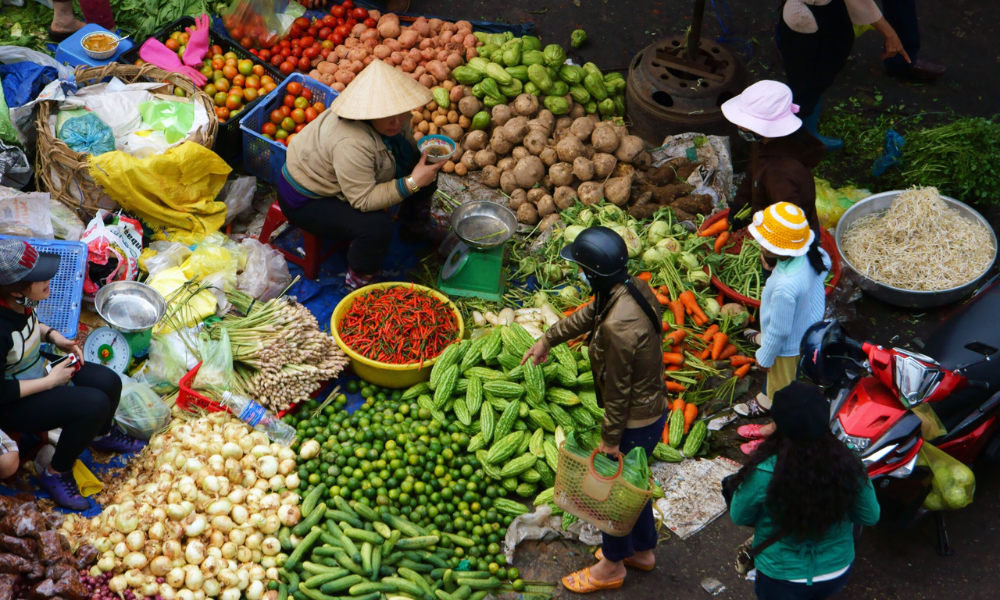
Weekly groceries: $25–$40 depending on where you shop. |
||



| Expense | Range | Pro Tips |
|---|---|---|
|
Transportation |
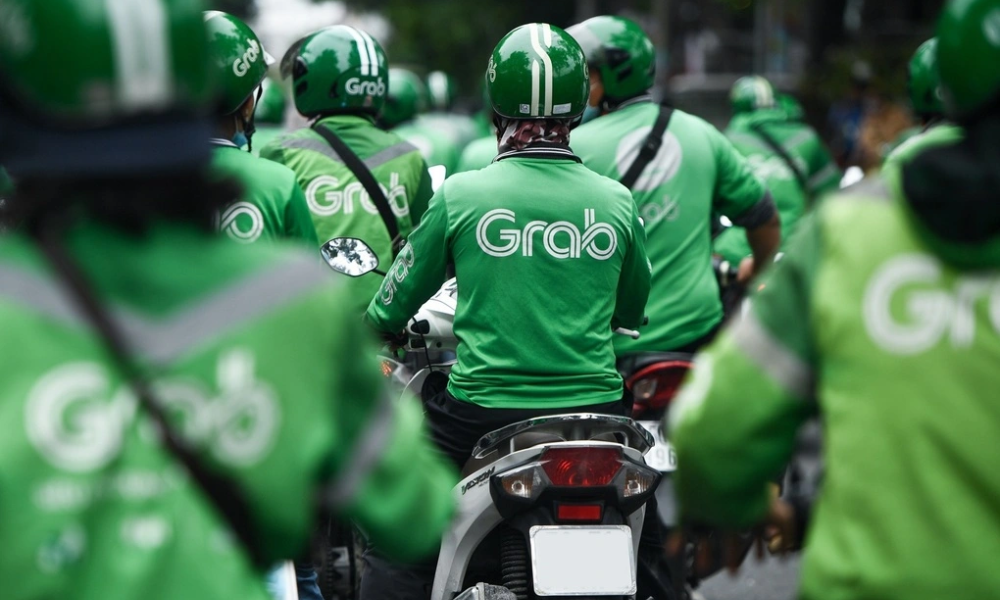
GrabBike ride: <$3 |
Motorbike-hailing apps make getting around the city super affordable, but beware the heat and/or rain. |
|
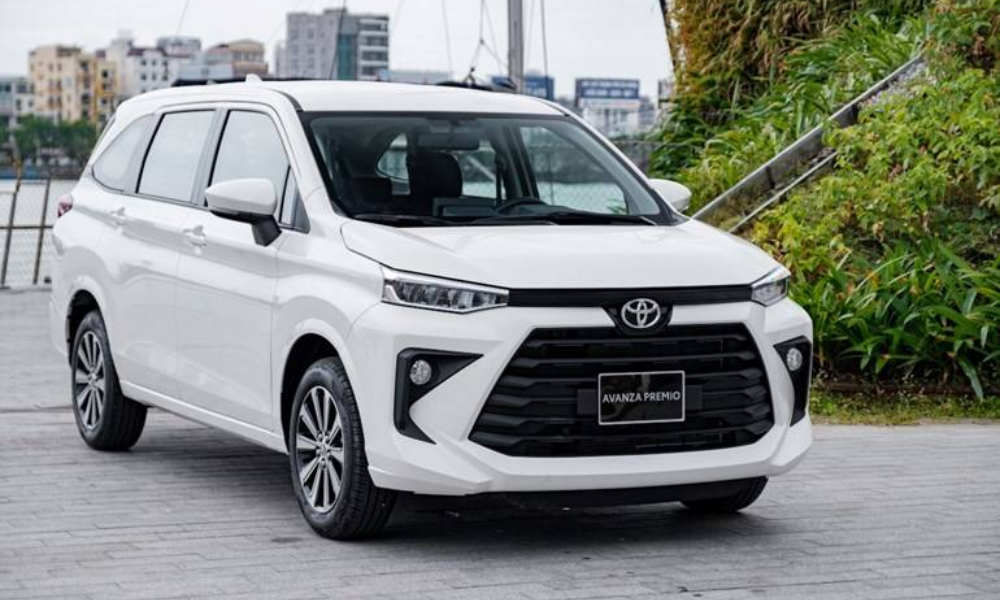
GrabCar ride: $3-$9 |
Buy your own (high-quality) helmet for maximum comfort and safety. |
|
|
Monthly motorbike rental: $50–$80 |
||
|
Used motorbike: $300+ |

| Expense | Range | Pro Tips |
|---|---|---|
|
Utilities & Internet |
Expect around $50–$80 for electricity, water, and Wi-Fi combined. |
No sneaky tips here, just pay those bills. Utilities are typically cheaper here than back home, though. |
|
Extras |
Gym memberships ($25–$60/month) |
Locals know how to live life to the fullest without breaking the bank. Get some tips from your new friends on what to get up to. |
|
Nights out ($2–$4 for local beer) |
||
|
Weekend trips ($50–$100) |
Want the full breakdown? Check out our detailed [Living Cost in Vietnam blog] for sample budgets and cost-saving hacks.
Where should I live in Vietnam as an expat teacher?
Housing in Vietnam is diverse and flexible. Most teachers and expats start with a short-term rental or Airbnb, then move once they’ve explored the city. There are many different Facebook housing groups where you can find an agent to help you see different apartments. Their services are typically free as they’ll receive their commission from the landlord, and they should be very familiar with the different neighborhoods around town.
- Serviced apartments: Fully furnished, often with cleaning included. Great for convenience.
- Shared housing: Cheaper and social, perfect for new arrivals.
- Studios or houses: Options vary by budget, with plenty available in both city centers and quieter neighborhoods.
Hot spots in HCMC: Thao Dien (D2), District 1, and Binh Thanh are popular with expats. In Hanoi, Tay Ho is the hub; in Da Nang, expats often cluster near My Khe Beach.
Curious about contracts, deposits, and how to avoid scams? Visit our [Accommodation in Vietnam blog] for the full guide.
How do I get a SIM card and mobile plan in Vietnam?
Getting connected in Vietnam is easy, and also important! Your new VN phone number/SIM will be registered to your passport and will be used for banking and residence verification, so be sure you’re signing up through an official store/website. The three biggest mobile providers are Viettel, Mobifone, and Vinaphone.
- Prepaid packages: Around $6–$10/month for 4–6GB of data per day, plus calls and texts.
- Where to buy: At the airport, mobile shops, or convenience stores. Be sure to register your new phone number with your passport.
- Quick tip: Start with prepaid, then switch to postpaid once you’re settled.
Vietnam is also embracing the cashless trend:
- Digital wallets like MoMo, ZaloPay, and ViettelPay are widely accepted.
- QR code payments work in cafes, taxis, and even street food stalls.
- Bank apps make money transfers between friends and landlords a breeze.
Still, carry some cash-especially small bills-for markets and local shops.
What’s the best way to get around Vietnam?
Getting around Vietnam is an adventure in itself – from weaving through buzzing city streets on a motorbike to hopping on a sleeper bus that takes you through lush countryside. Every trip offers a glimpse into the country’s energy, rhythm, and daily life.
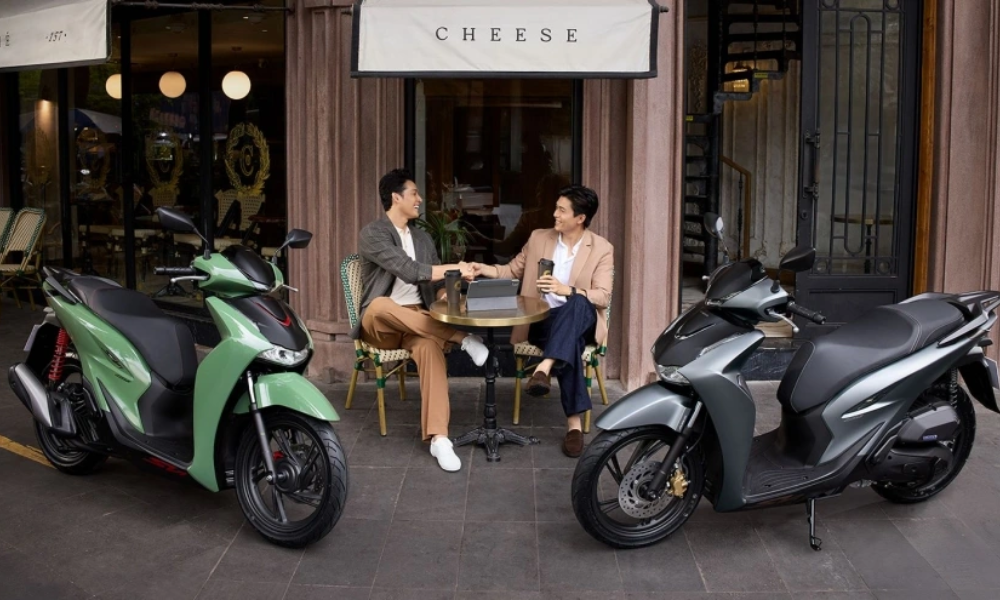
- Motorbikes: Most expats rent ($50–$80/month) or buy one for daily commuting. It’s the fastest way to navigate traffic.
- Grab (ride-hailing): Reliable for both motorbike and car rides. Grab is a lifesaver when you’re new.
- Buses: Cheap (under $0.50 per ride) and slowly modernizing, but less convenient for teachers with tight schedules.
- Metro: Ho Chi Minh City’s new metro line is beginning to roll out, offering another way to beat traffic.
Motorbike License: If you plan to stay long-term, it’s best to get a Vietnamese license. International Driving Permits are recognized but limited in scope.
Weekend escapes: Flights within Vietnam are affordable (as low as $30 one-way), and sleeper buses connect major cities for budget travelers.


How can I adapt to Vietnamese culture and daily life?
Adjusting to a new culture takes time, but Vietnam is an easy place to make connections once you take the first step.
- Language: Learn basic Vietnamese phrases to help with daily life. Consider joining a Vietnamese language class (many centers offer evening lessons for expats).
- Meet-ups & Clubs: Check Facebook or Meetup groups for everything from board game nights to book clubs.
- Sports & Fitness: Join a football team, yoga studio, or running club to meet locals and other expats.
- Community: Don’t hesitate to say yes to invitations-Vietnamese people are famously warm and welcoming.
You can also follow this brief do/don’t list to help with daily life:
DO
- Show respect to elders and authority. A polite tone and friendly smile are always well received.
- Remove your shoes when entering someone’s home, a temple, or certain indoor spaces.
- Be patient and flexible. Things may not always run on schedule, but most situations can be solved with calm and courtesy.
- Try local food and customs. Sharing a meal, attending a local event, or joining community activities helps you connect faster.
DON'T
- Raise your voice or show frustration in public. Keeping calm helps you save face and maintain harmony - a key value in Vietnamese culture.
- Touch someone’s head or point with your feet. Both are considered disrespectful.
- Assume things work the same as back home. Embrace the differences - they’re what make your experience here memorable.
- Forget to smile. A friendly attitude opens doors faster than perfect Vietnamese ever could!
Remember: Be patient with cultural differences, keep an open mind, and embrace the experience. Before long, Vietnam will feel like home.

Getting Ready for the Long-term
Your first month in Vietnam will fly by, but with the right preparation, you’ll settle in smoothly and start building your adventure right away.
VUS is here to help you land on your feet and get settled into your new home. Throughout your first month, our Work Permit Team will be guiding you through your document authentication process and other work permit application requirements.
If you’ve joined one of our campuses in Vietnam’s provinces, then our VUS Buddy Program is also helping you get to know your new town!
All of our teachers will also be working through VUS’s comprehensive induction program, giving you the tools and techniques you need to deliver amazing lessons to your students. Other benefits include:
- Competitive salary
- Professional growth
- Cultural immersion
- International-standard environment
- Full integration support
- Free Vietnamese classes
Ready to start your teaching adventure? Your first month in Vietnam will be full of new experiences, and with the right preparation, you’ll be set up for success both inside and outside the classroom. Stay curious, stay open, and make the most of every opportunity.
For more tips on life as an ESL teacher in Vietnam, explore the rest of our relocation blog series and start building your new life with confidence!
For nearly 30 years of pioneering English education in Vietnam, VUS has built a strong reputation with 68 campuses and more than 2,700 internationally qualified teaching staff nationwide.
VUS proudly affirms its leading position with a double victory at the Vietnam Technology Excellence Awards 2025, and two consecutive years being honored as an Inspirational Brand at APEA, alongside many other prestigious national and international awards.
VUS offers an exciting opportunity for expatriate teachers to grow professionally while discovering the beauty of life and culture in Vietnam. With strong support and international standards, your journey here is more than just teaching — it’s about learning, connecting, and thriving.
- Competitive salary: Rewards that match your talent and contribution.
- Professional growth: Enhance your teaching skills with ongoing training and development.
- Cultural immersion: Experience daily life in Vietnam and build meaningful local connections.
- International-standard environment: Teach with modern facilities, updated resources, and proven methodologies.
- Full integration support: Assistance with administrative paperwork and a dedicated Buddy Program to help you adapt to local culture, especially at provincial campuses.
- Free Vietnamese classes: 100% free for all VUS expat teachers (even during probation), taught by qualified Vietnamese teachers with proven expertise, and built on a tailored curriculum that meets expats’ daily needs.
Start your teaching journey with VUS today!