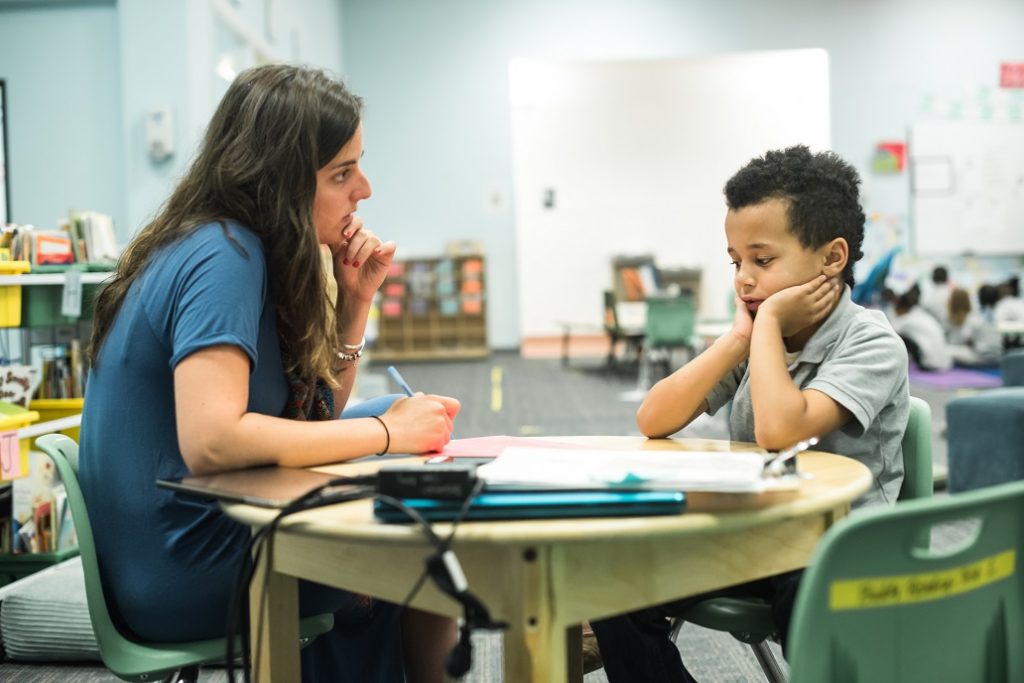
Have your students ever misbehaved during an activity in class? Maybe you have a student crawling around under the desks, or perhaps your star student just isn’t doing ANYTHING! Don’t worry, you’re not alone! In this part of our VUS Teaching Tips series, we’ll discuss some of the issues you might experience, as well as how to tackle them.
Table of Contents
1. Understanding Your Students' Behaviors & Attitudes
1.1. So many rowdy students!
It’s a common challenge for teachers to navigate disruptive behaviors in the classroom. Some of the problems teachers might face include:
Talking out of turn/Disrupting others: Sometimes even your best students won’t raise their hands before shouting out an answer
Refusal to follow instructions or participate in the lesson: A student might not even pick up his or her pencil without constant reminding from you
Constantly seeking attention: You may find a student under their desk/in your chair/at the computer
1.2. Why are they acting this way?
Understanding the reasons behind these behaviors is crucial. Disruptive behaviors can stem from various factors, including:
Attention-seeking/Boredom: Some students may act out to gain attention from peers or teachers.
Emotional needs: Students may display disruptive behaviors as a way to express underlying emotional issues such as anxiety, frustration, or insecurity.
Unconfident: Students might not understand the task or lesson, and are afraid of making mistakes in front of their peers.
It’s important to explore the reasons your students might have for being disruptive. After you identify where their actions are coming from, you can make informed adjustments to your lesson.
2. Getting Your Students On Task
2.1. How to wrangle your ACTIVE students
Once you’ve identified the reasons for disruptive behaviors, it’s essential to address them effectively. Here are some strategies:
Listen Up! Start by really listening to your students. Create a cozy and safe environment where they feel comfortable sharing their thoughts and worries. Encourage them to talk openly and try to see things from their point of view.
Example: If a student seems upset, ask them, “How are you feeling today? Is there something on your mind you’d like to share?”
Cheer Them On! Celebrate the good stuff! Praise your students when they behave well. Positive reinforcement makes them want to keep up the good behavior and helps create a happy classroom vibe.
Example: When a student raises their hand before speaking, you might say, “Great job waiting your turn, Minh! I really appreciate that.”
Set the Rules Straight! Make sure your students know what you expect from them. Be clear and consistent with your rules. This way, they’ll know exactly what’s okay and what’s not, which cuts down on any mix-ups.
Example: At the start of a new course, explain, “In our classroom, we listen when someone else is talking, and we always do our best work.”
Offer a Helping Hand! Some students might need a little extra help if they’re having trouble behaving. Be there for them with support and guidance. You might need to give them extra resources or even some one-on-one time to sort things out.
Example: If a student is frequently disruptive, you could say, “I’ve noticed you’re having a tough time. Would you like to talk about what’s going on?”
Fair and Square Consequences! Make sure students know what will happen if they misbehave and stick to it. Consequences should be fair and make sense in relation to what they did. This helps teach responsibility and self-control.
Example: If a student disrupts the class, you might say, “Remember, we agreed that if anyone disrupts, they’ll have to lost a point. Let’s make sure it doesn’t happen again, okay?”
By using these tips, you’ll help create a classroom where students feel heard, appreciated, and clear about what’s expected of them.
2.2. Things to Remember:
Remain Calm: Stay calm and composed when addressing disruptive behaviors. Avoid reacting impulsively or emotionally, as this may escalate the situation further.
Be Consistent: Consistency is key to managing disruptive behaviors effectively. Apply rules and consequences consistently to all students.
Promote Respect and Kindness: This is a two-way street. Show your students that you respect their learning environment and expect the same from them. TAs also need to be respected by both students and teachers!
Seek Support: Don’t hesitate to seek support from colleagues, administrators, or school counselors if you encounter challenges in managing disruptive behaviors. Collaboration and teamwork can provide valuable insights and resources for addressing student needs.
By understanding the reasons behind disruptive behaviors and implementing proactive strategies, teachers can create a positive and productive learning environment where students can thrive.
With nearly 30 years of experience in English education in Vietnam, VUS has grown its network to 73 campuses and more than 2,700 qualified teaching staff nationwide.
VUS is proud to be recognized with two awards at the Vietnam Technology Excellence Awards 2025, honored as an Inspirational Brand at APEA for two consecutive years, and acknowledged through various national and international awards.
When joining VUS, teachers and teaching assistants enjoy a wide range of practical benefits that support long-term growth and commitment:
Stable income: Steady and fair rewards for your efforts, allowing you to focus on teaching and growth.
Ongoing professional training: Structured onboarding with entrance workshops and continuous support via sharing sessions and the Training Hub, led by Teaching Quality Managers holding master’s or doctoral degrees and extensive teaching experience.
Modern, international-standard facilities: Diverse teaching tools, updated materials, and well equipped classrooms for a professional working environment.
Engaging internal events: Activities that create opportunities to relax, connect with colleagues, and recharge your energy.
Supportive colleagues: Work with a team that is always ready to share, support, and grow together.
Clear career advancement: A transparent career path with many opportunities to challenge yourself and grow into higher roles.
VUS offers a professional workplace where you can strengthen your skills, grow your career, and inspire young learners across Vietnam:
– Expatriate Teachers: Experience teaching in Vietnam with international standards, integration support, and career development opportunities.
– Vietnamese Teachers: Continuously sharpen your expertise while helping students reach out to the world.
– Teaching Assistants: The first step to explore the teaching profession and gain valuable real-life classroom experience.