Picture this: you’ve just returned from a refreshing break in the teacher room—coffee in hand, feeling recharged—only to walk into a classroom filled with slouched shoulders and off-topic chatter. The low post-break classroom vibe is real!
Instead of fighting it, meet it with strategy. Easing students back into learning with a little patience and a lot of playful structure helps guide students back on track, and makes your job as a teacher much more enjoyable. In this post, we’ll share practical, fun strategies to recapture students’ attention and rebuild classroom momentum—without jumping straight into heavy academics.
Table of Contents
Understand the Why
Before diving into activities, it helps to understand what’s behind those shortened attention spans after a break:
Disrupted routines
Lingering excitement from time off
Plain old fatigue, especially from daytime school
These can all affect their ability to focus, and that’s okay. This is a normal part of teaching. Being adaptive means recognizing these moments and pivoting with intention. If you work with a teaching assistant, they can help ease students into the new activity or model the energy level you want. After a few weeks of consistent routines and playful transitions, students will naturally fall back into the flow.
(Source: Internet)
Strategy 1: Start with Movement
Physical activity is one of the best ways to shake off the post-break sluggishness and reset classroom energy.
Try these quick, energizing activities:
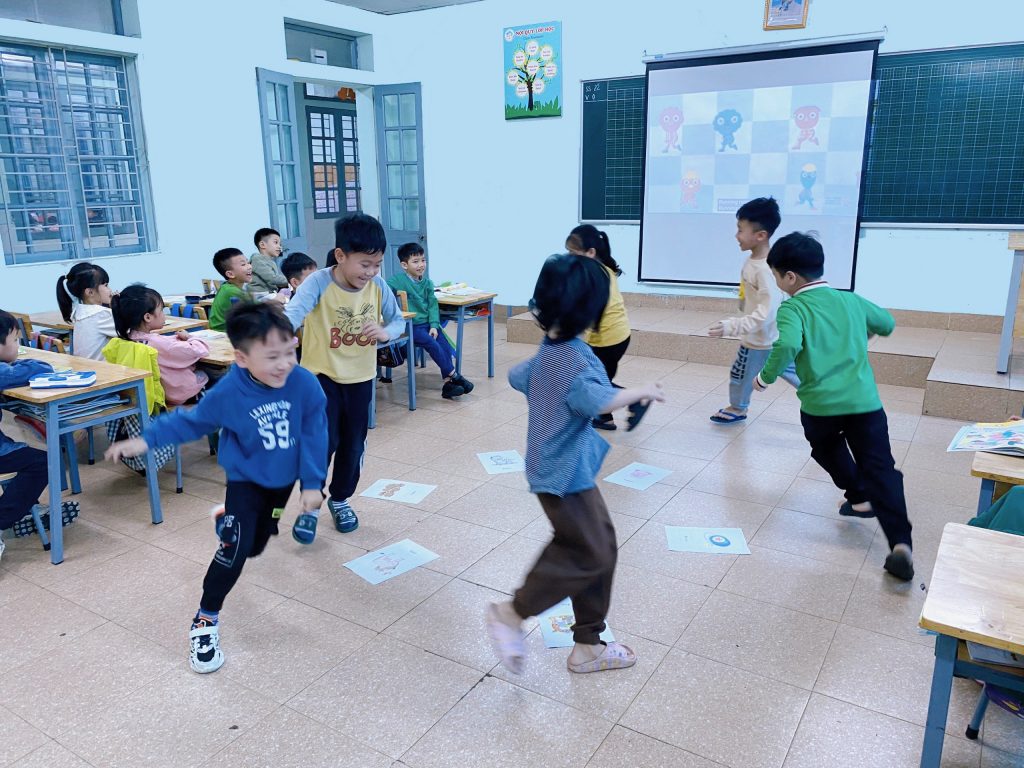
Simon Says or Freeze Dance (great for young learners) – this can be led either by the teacher or by YouTube! Have your students stand up and wait for the queue to perform an action related to the day’s lesson. For example, they can act like an animal, or ‘swim’, or do a charade. You can add some competition by eliminating students who move at the wrong time.
(Source: Internet)
(Source: Internet)
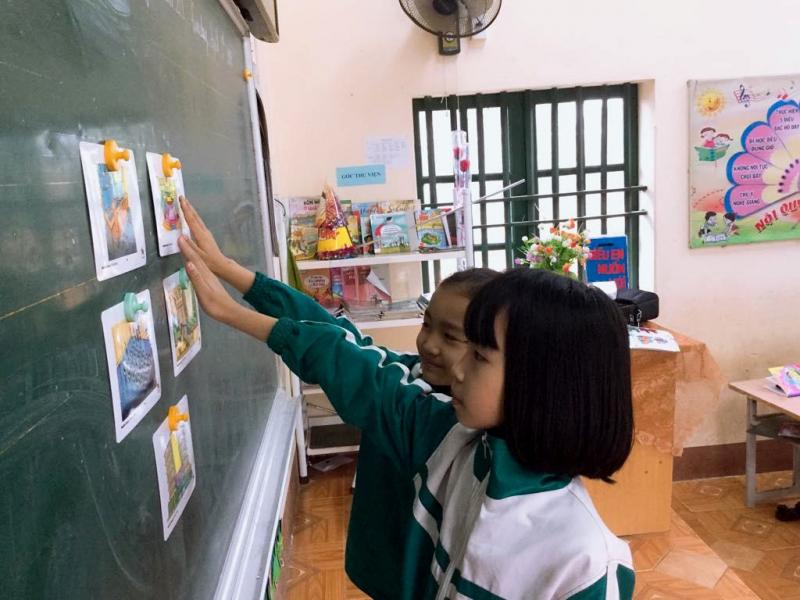
Sticky Ball Game – Set up flashcards on the board and divide the class into teams. Students take turns coming up to the line to throw a sticky ball at the targets, and then use that word in the target grammar structure. To add a challenge, you can add different score lines, with students throwing across the room for maximum points!
Slap the Desk (for teens) – Arrange your students into a circle in their desks. Write one vocabulary word on each student’s desk, and have one student stand in the middle with a fly swatter. Call out a word and that student needs to slap that desk before the seated student calls out a new word. The intensity of the game allows you to check your students’ pronunciation, as they’ll be trying to hurry through the words.
(Source: Internet)
Strategy 2: Tap into Curiosity and Creativity
Engaging students through fun, low-pressure tasks builds confidence while sneakily reinforcing skills.
Here are a few creative warm-ups:
(Source: Internet)
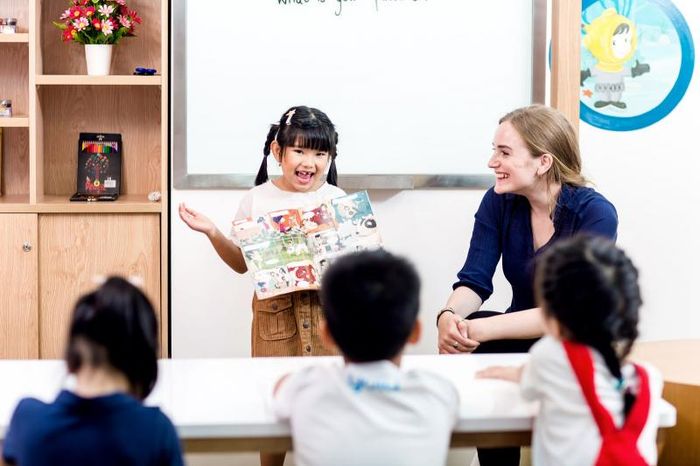
Design Your Dream Holiday – Prepare a template for students to draw or write about an imaginary vacation. Give them spaces to both draw and write, and then have students come up to share with the class. You can check their reading and writing skills, while also giving them some time to be artistic.
Student-Made Flashcards – Give your younger students some small blank squares of paper and ask them to draw vocab images and write the associated word. This gives them some quiet time while refocusing them on the lesson. These cards can then be used to play games with each other, such as matching games or charades.
(Source: Internet)
(Source: Internet)
Comic Strip Creation (teens) – Prepare a blank comic strip template for each student. Have one on the board for you to help model ideas or target language that you want the students to use, then give them a set time to create their comic strip. Be sure to keep them focused on the writing to start, so they don’t spend all of their time just drawing.
These tasks not only refocus students but also give you a window into their mood and mindset after the break.
Strategy 3: Ease Into Academics With Game-Based Learning
Once students are moving and engaged, you can begin to layer in more academic content—but keep it light and interactive.
Use these fun review games to reintroduce content:
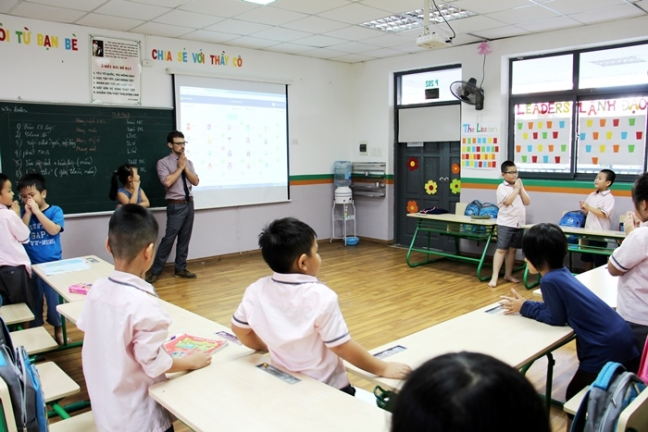
Kahoot or Quizlet Live – These apps/websites allow you to create multiple-choice quizzes to help your students review learning content. You can lead a game on the big screen, and teens can join in on their phones. Points and leaderboards are built into the platform, and you can save your templates for future classes.
(Source: Internet)
(Source: Internet)
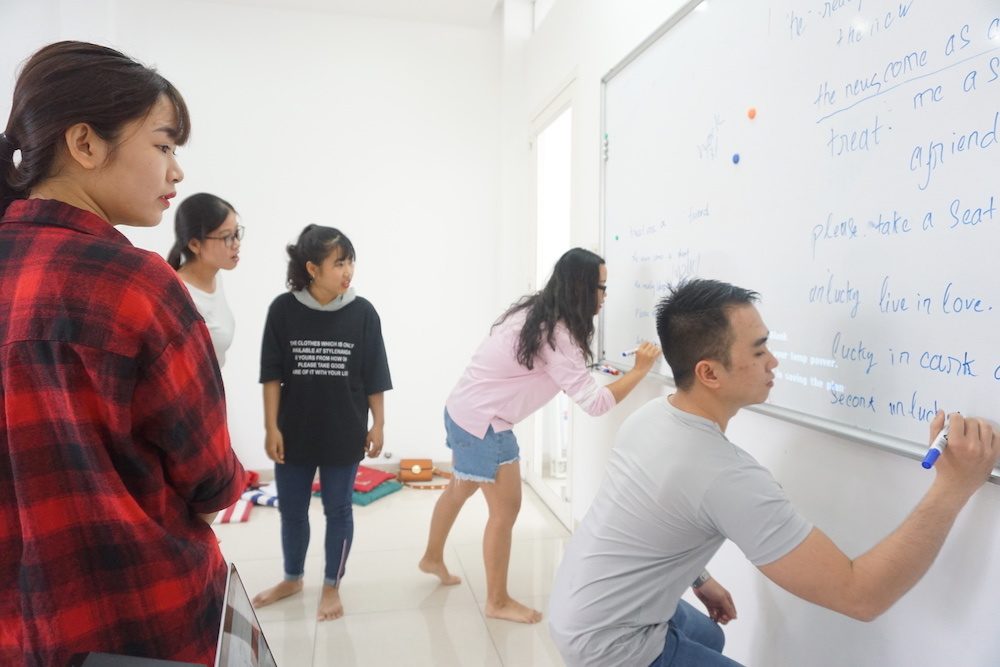
Board Races – Line up your students in two or three teams facing the board. Ask a question or show a picture and the first student in each line races to the board to write the answer.
Vocabulary Pictionary – Slowly draw vocabulary pictures on the board and see which students can raise their hands and figure it out first. Try to be tricky with your shapes to keep them guessing. Hand off the marker to the student with the correct answer to draw for the next round. This is great for all ages and helps reinforce key terms.
(Source: Internet)
Final Thoughts
Coming back after a break is hard—for students and teachers. The key is to reset expectations with flexibility, empathy, and just enough structure to create a sense of safety and routine.
(Source: Internet)
By prioritizing connection, movement, and creativity, you’ll set a tone of engagement and joy that benefits the whole classroom. With a little play and patience, that post-break slump won’t last long—and soon enough, you’ll have an energized class ready to learn again.
With nearly 30 years of experience in English education in Vietnam, VUS has grown its network to 73 campuses and more than 2,700 qualified teaching staff nationwide.
VUS is proud to be recognized with two awards at the Vietnam Technology Excellence Awards 2025, honored as an Inspirational Brand at APEA for two consecutive years, and acknowledged through various national and international awards.
When joining VUS, teachers and teaching assistants enjoy a wide range of practical benefits that support long-term growth and commitment:
Stable income: Steady and fair rewards for your efforts, allowing you to focus on teaching and growth.
Ongoing professional training: Structured onboarding with entrance workshops and continuous support via sharing sessions and the Training Hub, led by Teaching Quality Managers holding master’s or doctoral degrees and extensive teaching experience.
Modern, international-standard facilities: Diverse teaching tools, updated materials, and well equipped classrooms for a professional working environment.
Engaging internal events: Activities that create opportunities to relax, connect with colleagues, and recharge your energy.
Supportive colleagues: Work with a team that is always ready to share, support, and grow together.
Clear career advancement: A transparent career path with many opportunities to challenge yourself and grow into higher roles.
VUS offers a professional workplace where you can strengthen your skills, grow your career, and inspire young learners across Vietnam:
– Expatriate Teachers: Experience teaching in Vietnam with international standards, integration support, and career development opportunities.
– Vietnamese Teachers: Continuously sharpen your expertise while helping students reach out to the world.
– Teaching Assistants: The first step to explore the teaching profession and gain valuable real-life classroom experience.