
Cu Chi is not only known for its peaceful rural pace, but also for the history that runs quietly beneath its green fields. Home to the famous Cu Chi Tunnels, this district offers expat teachers a different side of Ho Chi Minh City, where daily life feels slower, more local, and deeply connected to Vietnam’s past.
In this blog, you’ll have a closer look at:
- Why Cu Chi is a great place to begin your next teaching journey
- What everyday life is really like as an expat teacher
- The rich culture and living history of this heroic land
- A friendly local community that makes you love this district even more
- A close-knit expat community to guide you through your very first day
Table of Contents
Where history rests beneath green fields
Cu Chi, one of the largest districts of Ho Chi Minh City, is located about 40 km northwest of District 1. Expat teachers can expect around 2 hours of travel from central Ho Chi Minh City by car or bus, and about 1 hour from Hoc Mon or Binh Duong.
Cu Chi is a district where agricultural land and history quietly meet, particularly home to the famous Cu Chi Tunnels. Known for its important history as a wartime underground base, Cu Chi today offers a much quieter way of life. Surrounded by farms, rubber plantations, and open green spaces, the district carries a peaceful rural rhythm that feels far from the rush of the city center. With around 500,000 residents, Cu Chi offers a calm and local living environment for teachers who prefer a slower pace of life.
Location: ⭐⭐⭐
What does everyday life feel like for expat teachers in Cu Chi?
Daily life in Cu Chi moves at a gentler pace, revealing a more grounded side of Ho Chi Minh City where nature, history, and local life feel close to every day.
A friendlier price for everyday life
In general, monthly living expenses in Cu Chi are around 20% lower than in central Ho Chi Minh City, ranging from 10 – 15 million VND (USD400 – 580), including rent.
Located close to farms and industrial zones, Cu Chi offers a more practical and affordable daily lifestyle. Grocery shopping is usually easier on the budget, with local market expenses often ranging from around 3 – 4 million VND (USD115 – 155) per person per month. Expat teachers can also enjoy a variety of food and beverage options, from local restaurants and markets to popular F&B brands and large supermarkets. Local markets and restaurants are usually around 20% cheaper, while prices at popular F&B brands and large supermarkets are mostly similar to central Ho Chi Minh City.
Living expenses: ⭐⭐⭐⭐
Accommodation in Cu Chi
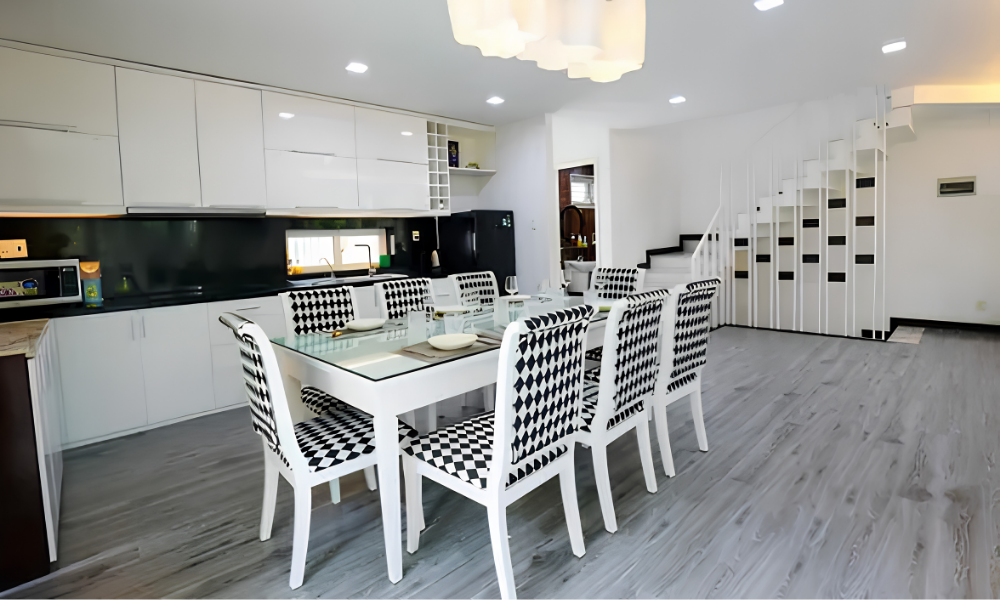
Apartment buildings are not common in Cu Chi. Teachers who prefer apartment-style living may need to look at nearby areas such as Binh Duong or Hoc Mon. Apartments in Binh Duong can offer more modern facilities, with prices from around 9 million VND per month (~USD350), but they may be farther from the campus.
Accommodation: ⭐⭐⭐
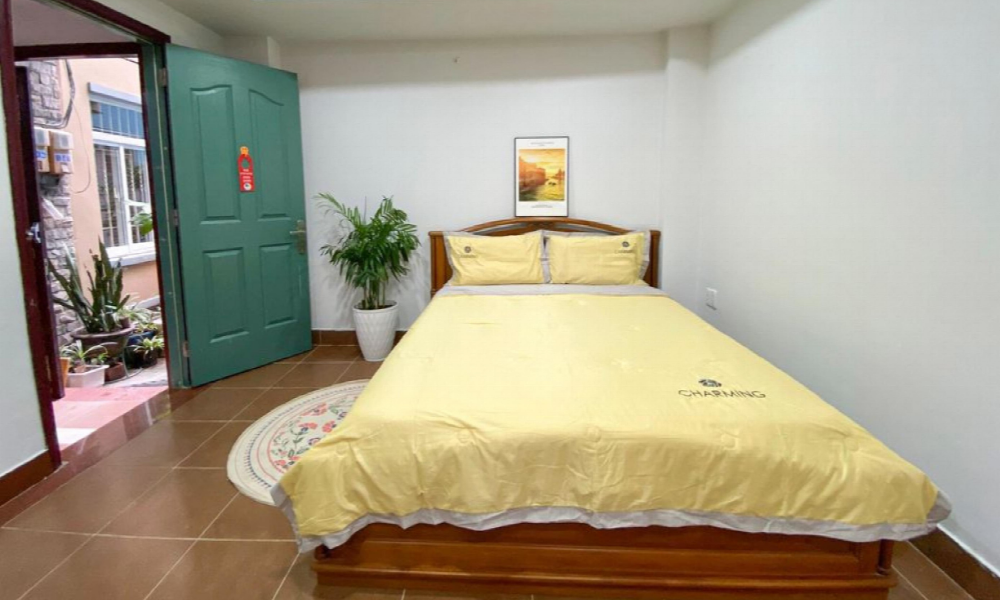
Accommodation in Cu Chi is generally more affordable than in many other districts. Expat teachers may find whole houses for rent from around 5.5 – 7 million VND (USD210 – 270) per month, and some can be fully furnished. However, many houses, rooms for rent, and hotels still have a more local setup, which may not fully match the modern living spaces.
Local flavors from the heart of Cu Chi
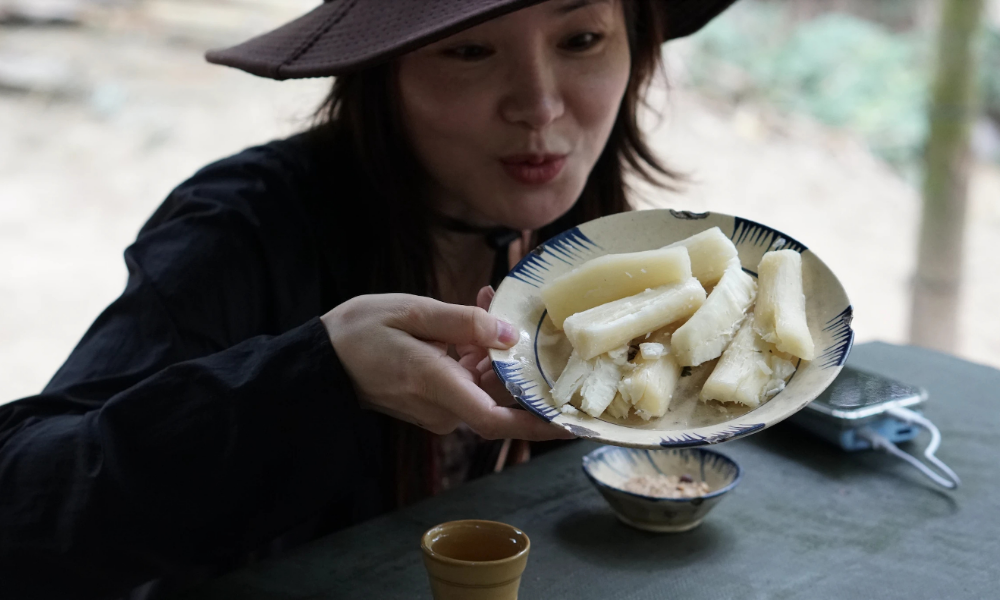
Cu Chi offers many simple and familiar food options for everyday life. Expat teachers can find family-style restaurants and local food stalls serving common Vietnamese dishes such as com tam, pho, and banh mi, making daily meals easy and affordable. Expat teachers can also explore delicious local food in Cu Chi. The area offers many local dishes, such as bo to Cu Chi (Cu Chi young veal), khoai mi hap nuoc cot dua (steamed cassava with coconut milk) or unique nuoc mia sau rieng (sugarcane juice with durian).
Cafés are also part of the local rhythm, from small local coffee shops with charming decorations to popular brands such as Highlands Coffee and Phuc Long. However, Western food options may be less varied than in central Ho Chi Minh City.
Food & beverages: ⭐⭐⭐⭐
Getting around Cu Chi
Cu Chi has a mix of road conditions, with some streets wide and easy to follow, while others are narrower, bumpier, or harder to navigate. As the district includes rural areas, fields, and industrial zones, certain routes can feel busy and challenging, especially with trucks on the road.
Motorbikes are the main way to get around, but they may not be ideal for new riders who are still getting used to local traffic. Walking at night is also not highly recommended in some areas. For safer and more convenient daily travel, expat teachers are recommended to use Grab or Xanh SM.
Transportation: ⭐⭐⭐
A local guide to everyday essentials
Cu Chi offers basic daily services, though some options may be more limited than in central Ho Chi Minh City. Common convenience store chains are not available, but expat teachers can still find Vinamilk stores and local convenience stores for everyday needs. However, many of these stores may not operate 24/7.
For grocery shopping and entertainment, Satra Cu Chi is one of the main supermarkets in the area, with a CGV cinema inside. Stores such as The Gioi Di Dong and Bach Hoa Xanh are also available for electronics and daily groceries.
Daily convenience: ⭐⭐⭐
One thing to keep in mind is that Vietcombank is currently not available in Cu Chi, so teachers who need to withdraw cash may have to visit nearby Hoc Mon. Local hospitals are available for general healthcare needs. However, there are no international hospitals in Cu Chi.
Beyond the classroom, closer to nature
For a slower weekend, the district also has farms and eco-tourism spots such as Green Noen, where teachers can spend time closer to nature with sheep, horses, and cows around the farm, join camping activities, visit the mushroom-growing area, or experience simple farming activities such as milking cows or collecting eggs.
Cu Chi offers simple, local ways to unwind after class. Teachers can find small local gyms for basic workouts, along with pickleball courts and local football fields for those who enjoy staying active. While these facilities may not be the most modern or highly rated, they can still meet basic fitness and recreation needs. Local beer gardens are also available, offering casual places to relax, chat, and enjoy time with friends or colleagues after a teaching day.
Wildlife Rescue Station is also worth a visit for animal lovers. Covering around 4,000 m², it is known as one of the largest wildlife care centers in southern Vietnam, providing shelter and care for more than 3,600 rare animals. It can be a meaningful place for teachers who enjoy nature, animals, and quiet weekend experiences outside the classroom.
Entertainment: ⭐⭐⭐⭐
Beneath Cu Chi, history still breathes
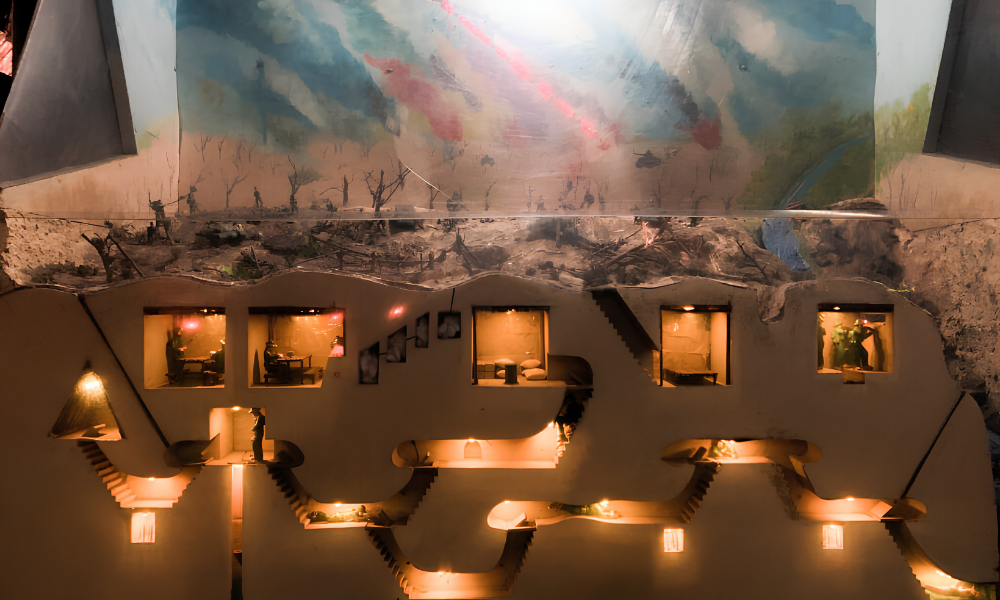
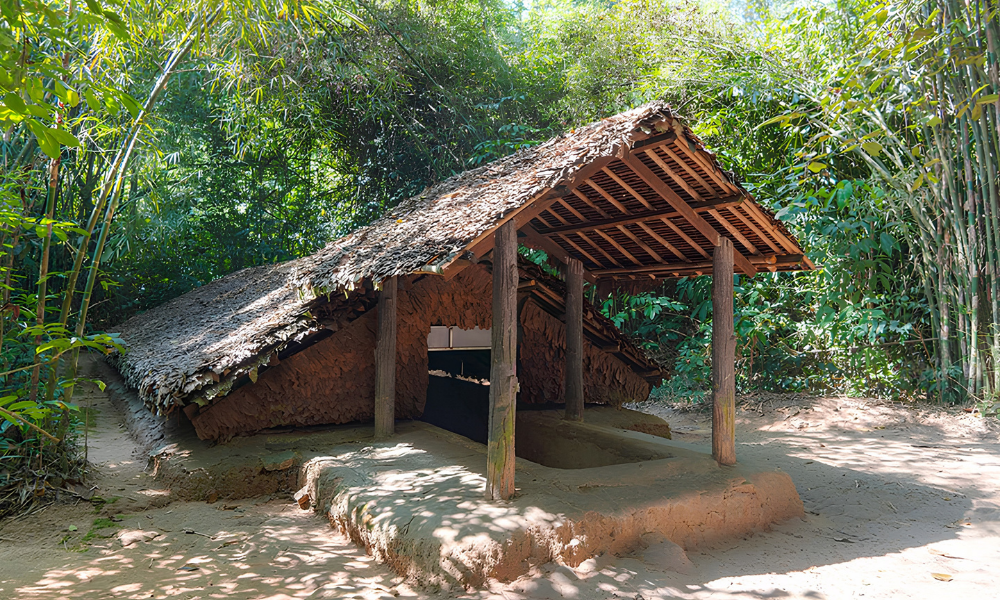
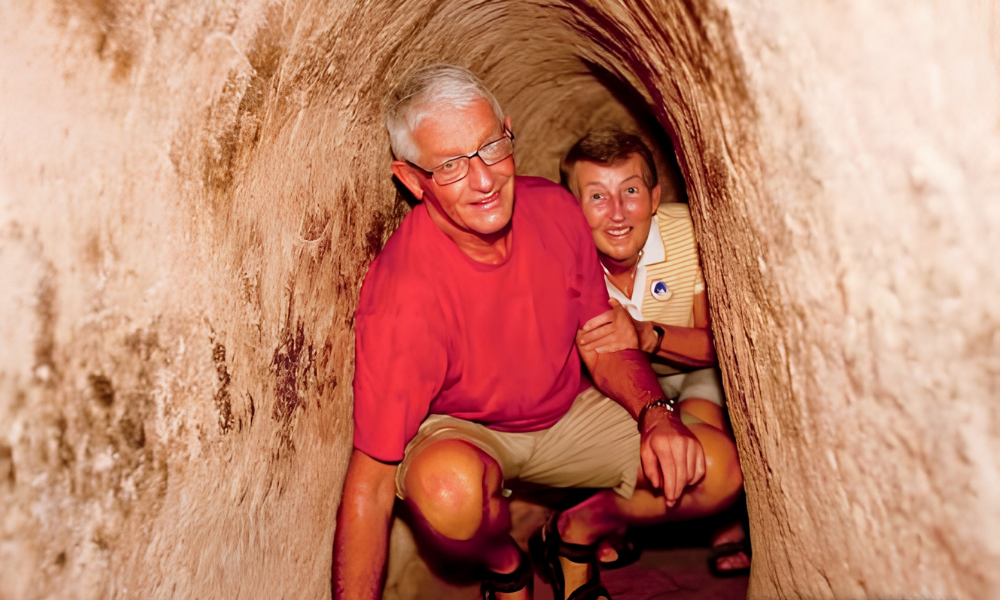
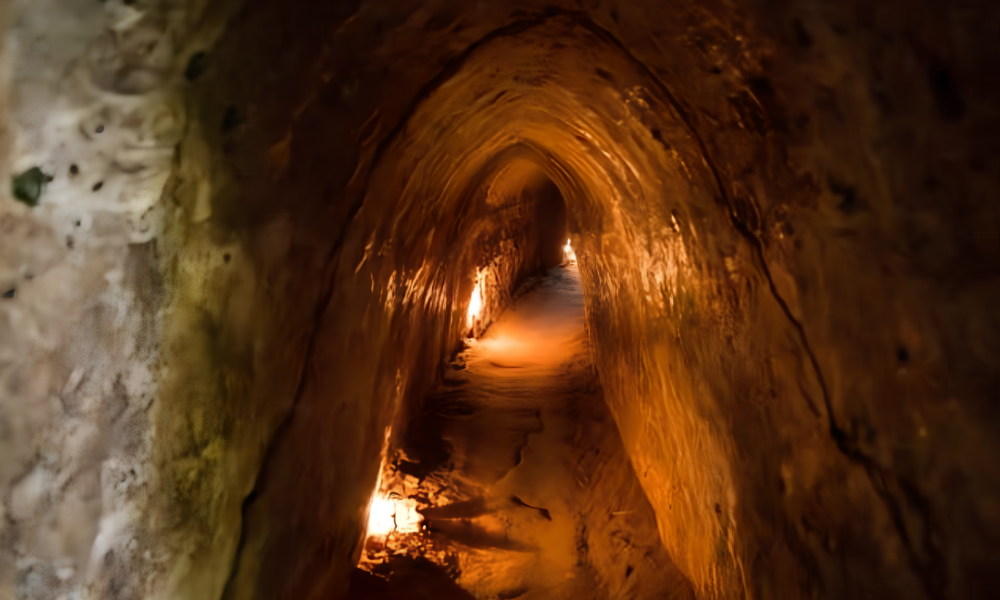
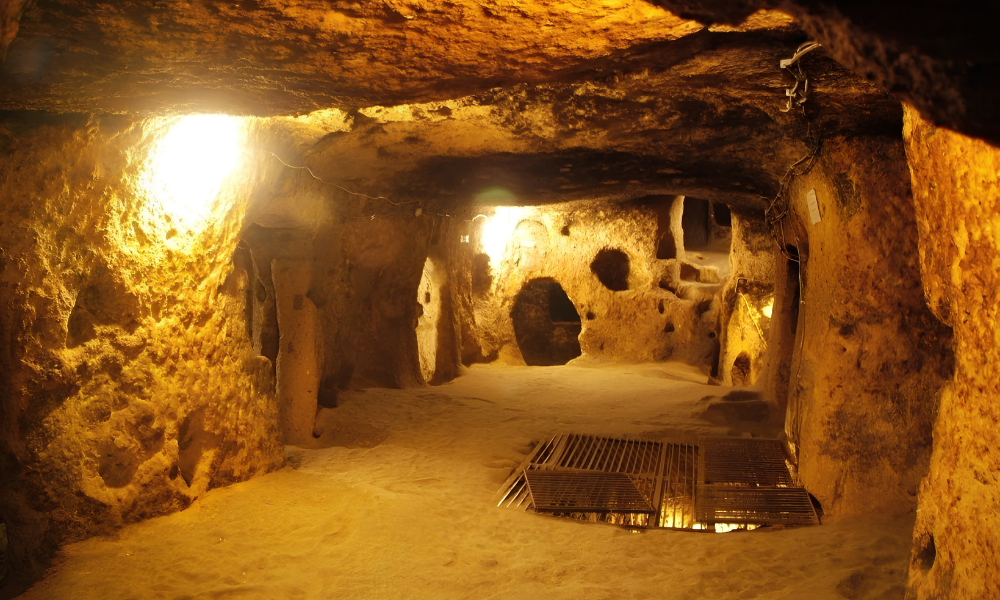
When speaking of Cu Chi, the story often begins with the 250-km-long Cu Chi Tunnels, an extensive underground network used by Vietnamese soldiers during the war. For expat teachers, a visit to the tunnels can be more than a history trip. As you step into the narrow underground paths and move through the small hidden spaces, you can feel a quiet glimpse of the resilience and courage that carried Vietnamese people through the hardest years of war.
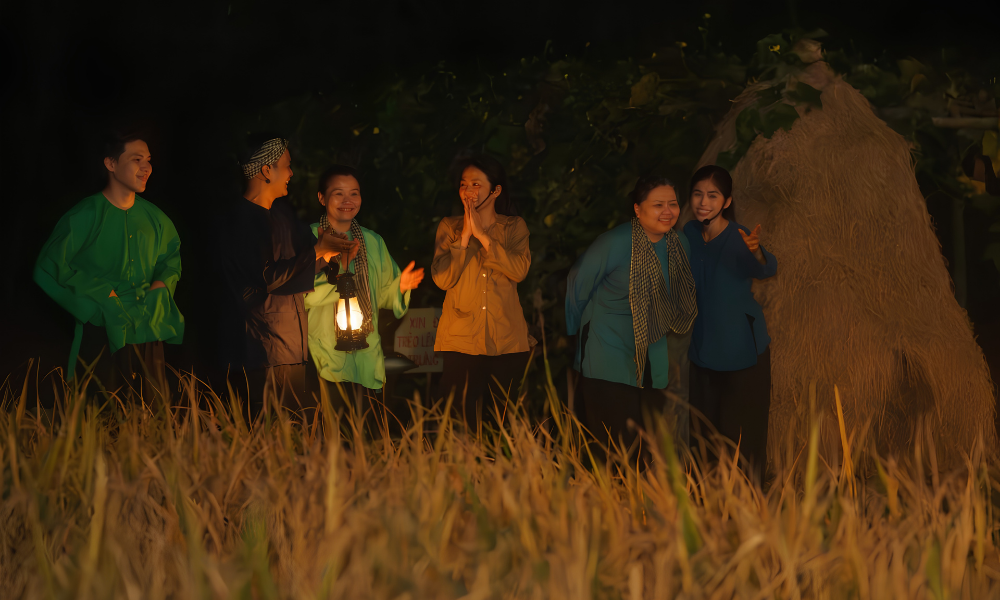
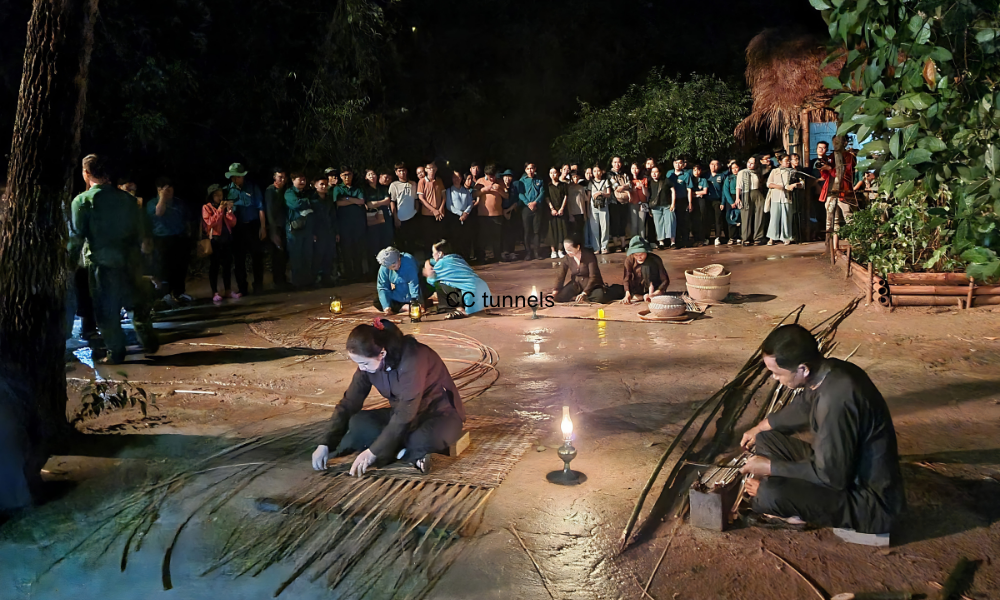
To understand more about the lives of Cu Chi locals and soldiers during the resistance years, expatriate teachers can also experience Trang Chien Khu (Guerrilla Moon), a show offered as part of the Cu Chi Tunnels Relic night tour. Through traditional dances, songs, vong co (nostalgic tunes), and cai luong (reformed opera) , the show brings visitors closer to the history, culture, and spirit of the heroic land of Cu Chi.
Cultural attractions: ⭐⭐⭐⭐⭐
Overall, life in Cu Chi moves gently. With lower daily costs, local flavors, green spaces, and stories rooted in history, the district offers expat teachers a simpler and more grounded way to experience Vietnam.
A local community that greets you gently
Local people in Cu Chi are generally friendly and welcoming, which can help expat teachers feel more comfortable when settling in. However, some neighborhoods near industrial areas may feel busier and less welcoming, so teachers may need time to understand the local environment and choose suitable places to live or spend time.
Local community: ⭐⭐⭐
Small expat community, steady connections
Cu Chi has a small expat community, mostly made up of a few teachers from VUS, international schools, and smaller English centers. Many expats here are in their 30s, so the social scene may feel quieter and more settled compared to central Ho Chi Minh City. For teachers who enjoy a peaceful lifestyle and closer day-to-day connections, Cu Chi can still offer a simple and grounded place to live and work.
Expat community: ⭐⭐⭐
Cu Chi can be a meaningful destination for expat teachers who are looking for a quieter, more local side of Ho Chi Minh City. Life here moves at a slower pace, surrounded by farms, open green spaces, local food, and stories deeply connected to Vietnam’s history. With its peaceful setting, rich cultural attractions, and simple everyday charm, Cu Chi can be more than a place to teach.
Ready to make an impact? Join VUS today!
With nearly 30 years of experience in English education in Vietnam, VUS has grown its network to 73 campuses and more than 2,700 qualified teaching staff nationwide. VUS is proud to be recognized with two awards at the Vietnam Technology Excellence Awards 2025, honored as an Inspirational Brand at APEA for two consecutive years, and acknowledged through various national and international awards. VUS offers an exciting opportunity for expatriate teachers to grow professionally while discovering the beauty of life and culture in Vietnam. With strong support and international standards, your journey here is more than just teaching — it’s about learning, connecting, and thriving. Start your teaching journey with VUS today!